Participant Information Letter – Adult participants aged 55 years and older living in Ireland
Dear Participant,
I am Sandra Flynn, a PhD student at the Department of Educational Research at Lancaster University. I would like to invite you to take part in a research study about intergenerational relationship support for the development of digital literacy skills amongst older adults.
For fuller information on this study please see below for more details. Alternatively, to provide consent and continue to the survey please select the following link:
What is the study about? The study aims to explore the experiences of older adults and lifelong learning, with specific focus on intergenerational exchanges and digital literacy skills.
Why have I been invited? I am interested in understanding the experiences of older adults with regard to the digital world and what role younger generations play in digital skills development of older adults. Whether or not you consider yourself to be digitally connected, I would be very grateful if you would agree to take part in this study.
What will I be asked to do if I take part? If you decide to take part, you will be invited to participate in an online survey taking no more than 15 minutes of your time. At the end, you will be invited to take part in a one-to-one interview of approximately 45 to 60 minutes duration to further share your experiences. The interview may be conducted in-person (where possible), by telephone or by video call, as you prefer. Both survey and interview are entirely optional and there is no obligation on you to participate in either or both.
In the event that interest in participating in the interview is oversubscribed, selection will take place on the basis of the following: a balance of male and female, those who are digitally connected and those who are not, all aged 55 years or over with a balance across the cohorts 55-64 years, 65-74 years and 75 years and over. Participants living outside of Ireland are not required for interview as part of this study.
What are the possible benefits from taking part? Little is known about the concept of intergenerational learning in Ireland outside of formal learning environments. By taking part in this study your insights will help contribute to our understanding of the contribution intergenerational learning can make to the lifelong learning and digital skills development of older adults.
Do I have to take part? No. It is completely up to you to decide whether or not you take part. Your participation is voluntary.
What if I change my mind? In relation to the survey, if you change your mind, you are free to withdraw at any time up to the point of clicking on the survey ‘submit’ button since survey data are anonymous. If you wish to withdraw after interview data have been collected, you can contact me up to two weeks after the interview date, and I will extract any data contributed to the study and destroy it.
What are the possible disadvantages and risks of taking part? By taking part, you will invest no more than 15 minutes of your time to complete an online survey and/or up to 60 minutes to participate in an interview. There are no known disadvantages to you by taking part.
Will my data be identifiable? Survey data from participants are not identifiable. After the interview, only I, the researcher conducting this study, will have access to the ideas you share with me. I will keep all personal information about you (e.g. your name and other information about you that can identify you) confidential, that is I will not share it with others. I will remove any personal information from the written record of your contribution. All reasonable steps will be taken to protect your anonymity when you are involved in this project.
How will my information shared be used and what will happen to the results of the research study? I will use the information for research purposes only. This will include my PhD thesis and other publications, for example, journal articles. I may also present the results of my study at academic conferences. Finally, I may inform policy makers and other interested agencies of findings and recommendations from my study.
When writing up the findings from this study, I would like to reproduce some of the views and ideas you shared with me. I will only use anonymised quotes (e.g. from my interview with you), so that although I will use your exact words, all reasonable steps will be taken to protect your anonymity in publications.
How my data will be stored? Your data will be stored in encrypted files (that is, no-one other than me, the researcher, will be able to access them) and on password-protected computers. I will store hard copies of any data securely in locked cabinets in my office. I will keep data that can identify you separately from non-personal information (e.g. your views on a specific topic). In accordance with University guidelines, I will keep the data securely for a minimum of ten years.
For further information about how Lancaster University processes personal data for research purposes and your data rights please visit our webpage: www.lancaster.ac.uk/research/data-protection
What if I have a question or concern? If you have any queries or if you are unhappy with anything that happens concerning your participation in the study, please contact: Sandra Flynn (s.flynn2@lancaster.ac.uk).
If you have any concerns or complaints that you wish to discuss with a person who is not directly involved in the research, you can contact the supervisor of this study: Professor Don Passey (d.passey@lancaster.ac.uk; Educational Research, County South, Lancaster University, Lancaster, United Kingdom, LA1 4YD).
You can also contact the Director of Teaching: Dr Jan McArthur (j.mcarthur@lancaster.ac.uk; Educational Research, County South, Lancaster University, Lancaster, United Kingdom, LA1 4YD).
This study has been reviewed and approved by the Faculty of Arts and Social Sciences and Lancaster Management School’s Research Ethics Committee.
Survey of adults aged 55 years and older
Many thanks, Sandra
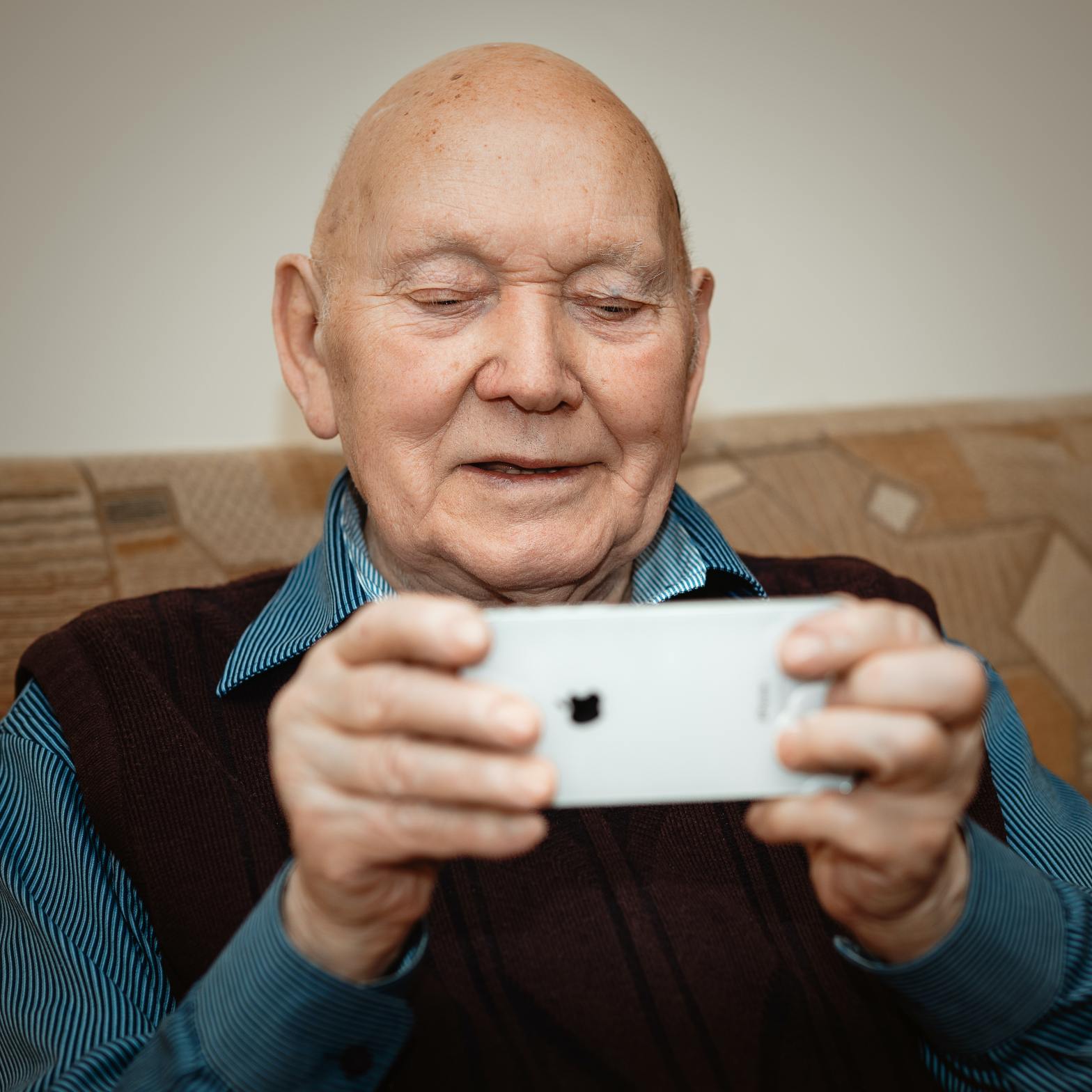
Photo by Adam Nieścioruk on Unsplash
 Sandra Flynn
One thought on “Ireland and the lifelong learning curve: the intergenerational contribution to digital literacy for life.”